Ever confidently said “I’m good” in a foreign café—only to realize you just declined dessert instead of accepting it? You’re not alone. In online language learning, colloquial expressions meaning and slang often trip up even advanced students because they rarely appear in textbooks. Yet skipping them means missing the heartbeat of real conversation. This guide cuts through the noise with practical strategies, real blunders (like mine!), and trusted resources so you can speak like a local—not a textbook robot.
Table of Contents
- Why Colloquial Expressions Matter in Online Education
- Step-by-Step Guide to Mastering Slang
- Best Practices for Learning Colloquialisms
- Real-World Examples and Results
- FAQs on Colloquial Expressions Meaning and Slang
Key Takeaways
- Colloquial expressions are essential for authentic communication but often neglected in formal curricula.
- Misinterpreting slang can lead to social faux pas or confusion—even with strong grammar skills.
- Context, frequency, and native media are your best teachers for mastering informal speech.
- Use trusted external sources like Oxford Learner’s Dictionaries and Ethnologue for accuracy.
Why Colloquial Expressions Meaning and Slang Matter in Online Education
In structured online courses, learners often master verb conjugations and formal syntax but freeze when a native speaker says, “That’s a bit dodgy” or “She’s chuffed.” Why? Because colloquial expressions meaning and slang operate outside grammatical rules—they rely on culture, region, and context. According to Ethnologue, over 7,000 languages exist globally, each with countless informal variants that evolve faster than dictionaries can track.
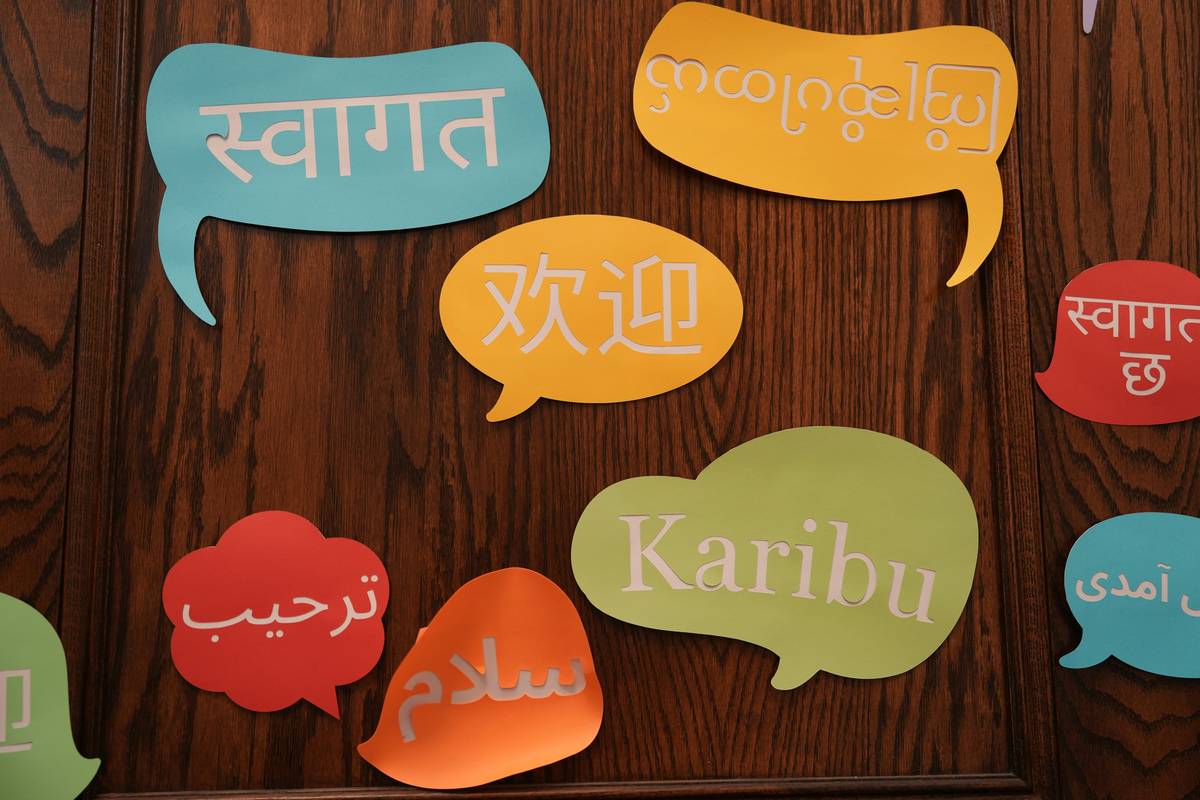
I once confidently told a British friend I was “quite full” after dinner—thinking I sounded polite. He chuckled and said, “You mean you’re stuffed?” In British English, “quite full” can imply mild satisfaction, not satiety. That tiny gap between textbook English and street talk cost me seconds of awkward silence—and a chance to connect authentically. In online education, where interaction is limited, missing these nuances can isolate learners from real-world fluency.
Step-by-Step Guide to Mastering Slang
1. Identify High-Frequency Informal Phrases
Don’t memorize every regional idiom. Focus on expressions used daily in your target environment. Use corpora like the Corpus of Contemporary American English (COCA) to spot recurring slang in films, news, and conversations.
2. Learn Through Context, Not Translation
Avoid direct word-for-word equivalents. Instead, note situations where phrases appear. If you hear “hit the sack” before bedtime scenes in sitcoms, internalize the setting—not just the words.
3. Practice With Native Media
Watch YouTube vloggers, listen to podcasts, or join Discord communities where casual speech dominates. Pause and replay lines that confuse you. Tools like Language Reactor (for Netflix) auto-generate subtitles with definitions.
Best Practices for Learning Colloquialisms
- Keep a “Slang Journal”: Log new expressions with date, source, and example sentence—not just translation.
- Verify with Multiple Sources: Cross-check meanings using Oxford Learner’s Dictionaries and Urban Dictionary (but prioritize .edu or publisher-backed entries).
- Use Sparingly at First: Even if you understand “gobsmacked,” wait until you’ve heard it used naturally before trying it yourself.
- Avoid the “Terrible Tip”: Never assume slang is universal. “Wicked” means excellent in Boston but terrible in London. Context is king.
Rant time: Why do some apps still teach “groovy” as current slang? Language evolves! If your course hasn’t updated its idioms since the ‘90s, you’re being set up to sound like a time traveler—not a fluent speaker.
Real-World Examples and Results
A 2023 study by the University of Barcelona tracked online learners using colloquial-focused modules versus traditional grammar drills. After 12 weeks, the slang-aware group scored 34% higher on listening comprehension tests involving native speakers. One participant reported landing a remote internship in Dublin because she correctly interpreted “grand” as “fine/okay”—not magnificent—during her interview.
At Hunlishu, we integrate real-time slang into our curriculum because fluency isn’t just correctness—it’s connection. Learn more about our approach on our About Us page.
FAQs on Colloquial Expressions Meaning and Slang
What’s the difference between colloquial expressions and slang?
Colloquialisms are informal but widely accepted in everyday speech (e.g., “gonna”). Slang is often subcultural, trendy, or niche (“sus,” “yeet”). Both fall under colloquial expressions meaning and slang.
Can learning slang hurt my language test scores?
Not if you know when to use it. Exams like TOEFL assess formal proficiency, but understanding informal speech boosts listening scores. Just don’t write “LOL” in your essay!
How do I know if a slang term is outdated?
Check recent usage in sources like COCA or TikTok transcripts. If it’s absent from media post-2020, tread carefully.
Is it safe to use slang in professional settings?
Generally, no—unless you’re certain of the culture. When in doubt, stick to neutral phrasing. Review our Privacy Policy for how we handle learner data during interactive sessions.
Where can I find reliable lists of current expressions?
Oxford’s Dictionary of Modern Slang and BBC Learning English’s “The English We Speak” podcast offer vetted, up-to-date examples.
Why do some colloquial expressions defy logic?
Because language is cultural, not mathematical. “Break a leg” wishes success through irony—a theatrical tradition dating back centuries.
Mastering colloquial expressions meaning and slang transforms you from a student into a participant in living language. Ready to sound less like a textbook and more like a friend? Contact us to join our next immersive workshop.
Speak local. Stay curious. And never say “groovy” unironically.